PhotoMonitoring for Landslide & Rockfall Detection
Monitor slopes, structures, and terrain from cameras, drones, satellites, or point clouds. Detect changes, measure displacement, and generate evidence packages — automatically.
Turn any camera into a monitoring instrument.


See It in Action
Rockfall & Change Detection
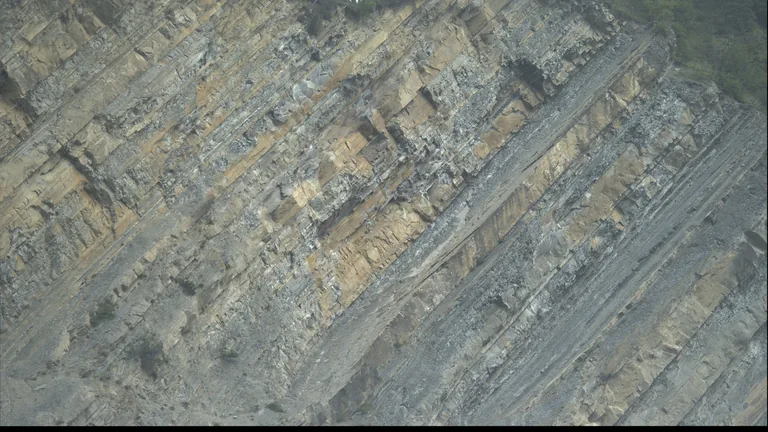
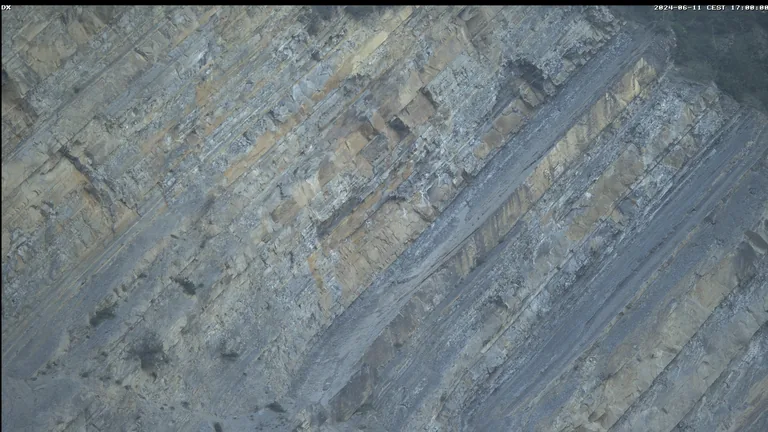
IRIS maps every rockfall, debris movement, and surface change, then links each detection to the original imagery.
- Before/after evidence for every detected change
- Highlighted regions show exactly where change occurred
- Downloadable evidence packages for reporting


Displacement Monitoring
IRIS tracks sub-pixel displacement across your imagery. Explore heatmaps and time-series to monitor landslides, slopes, and structural deformation over time.
- Time-series data, up to several updates per day
- Area-of-interest stats for targeted zones
- Ground-scale calibration for real-world units

3D Point Cloud Analysis
M3C2 point cloud comparison in your browser. Upload two epochs, get volumetric change maps in minutes. No software to install.
- M3C2 distance calculation, the same method used in CloudCompare
- Processing runs on our servers, no license needed
- Browser-based 3D viewer with shareable results
Where Teams Use IRIS
Built for landslide monitoring, rockfall detection, and slope surveillance. Flexible enough for any use case.
Geohazards & Slopes
Early warning for landslides, rockfalls, and slope instability.

Rockfall detection
Spot rocks and debris on slopes before they mobilize.

Slope deformation
Track progressive movements on hillsides and cut slopes over time.

Dam & structure cracks
Detect new cracks or growth on concrete faces and spillways.

Coastal cliff retreat
Measure shoreline erosion and cliff recession between surveys.

Debris flows & avalanches
Monitor channels and chutes for sudden debris or snow movements.
Infrastructure & Operations
Monitor transportation corridors and critical assets.

Railway rockfall & track obstructions
Detect rocks, debris, or objects on tracks before trains approach.

Highway rockfall zones
Monitor mountain roads and tunnel approaches for fallen debris.

Tunnel portals
Watch portal faces and approach cuts for rockfall and instability.

Mining pit walls
Monitor open pit benches and highwalls for slope failures.

Construction excavations
Track temporary slopes and excavation faces during works.
...and if you need new cameras, our field engineers handle surveys, installation, and maintenance.
How IRIS Works
Connect
Add your cameras or cloud storage. Preview feeds instantly. Works with webcams, IP cameras, and remote archives.
Analyze
AI aligns each image and balances lighting automatically. Every new frame is compared against calibrated baselines.
Validate
Confidence scoring separates real changes from noise. Optional human review for critical alerts.
Alert
Get notified via dashboard, email, or API. Evidence packages ready for immediate reporting.
PhotoMonitoring Capabilities
One platform for landslide monitoring, rockfall detection, slope surveillance, and early warning.
Real-Time Awareness
Get notified minutes after imagery lands. Monitor multiple sites without added staff.
Visual Evidence Packages
Before/after viewer with downloadable proof for reports. Maps directly to areas of concern.
Complete History & Audits
Full time-series with trend reporting. Searchable audit trail for every event.
Multi-Interval Confidence
Short and long baseline comparisons with confidence scoring. Automatic escalation for critical findings.
GSD Calculator
Free GSD calculator for Ground Sample Distance, Field of View, and focal length. Plan your camera setup before deployment.
Pixel-Accurate Alignment
Stabilizes every frame for fair comparison. Balances lighting automatically so subtle changes stand out.
Managed Operations
Custom regions and schedules per site. Health checks, auto-resume, and team notifications.
Choose How You Deploy
Bring your own cameras, stream remote imagery, or let our team handle a turnkey installation.
Bring Your Cameras
Connect existing webcams or IP cameras in minutes. Works with any resolution.
Stream Remote Imagery
Point IRIS to cloud storage, aerial surveys, or archives. Process high-resolution imagery in batch.
Full-Service Installation
NHAZCA engineers install and maintain dedicated camera systems with turnkey networking and power.
Start Monitoring Your Sites
Bring your own cameras, point us to remote archives, or let our engineers handle a turnkey install. IRIS turns imagery into monitoring data you can act on.
Prefer email? info@nhazca.com • nhazca.com
Frequently Asked Questions
Common questions about camera-based monitoring, deployment, and how IRIS fits into your geotechnical monitoring workflows.